
The Science Behind Zerene

Developed with Clinicians. Grounded in Research. 
Built to Fix the Problem, Not Just Protect Against It.

Zerene® was designed from the ground up to target the neuromuscular behavior that drives teeth grinding, rather than simply building a better barrier against the damage it causes.

Clinical Perspective

A Dentist's View on Zerene

"As a dental professional, I've watched patients cycle through nightguards, Botox, and medication, sometimes for years, without ever addressing the underlying behavior that causes the grinding in the first place.

Zerene is the first accessible tool I've seen that directly targets the neuromuscular habit during sleep, which is precisely where the problem originates. The approach is sound, the data is real, and for the right patient it represents a genuinely different kind of solution."

― Dr. Kjeld Aamodt, DDS MS

Dr. Aamodt in a white coat with a tooth icon

Dr. Kjeld Aamodt, DDS MS, contributed his clinical expertise to Zerene's development process and authored an independent review comparing Zerene to traditional bruxism treatments.

The Mechanism

Biofeedback Works In Ways a Mouthguard Alone Can't

Icon of mouthguard
Traditional
Nightguard
Protects teeth
Behavior unchanged
Icon of Zerene Mood Module in active feedback mode
Zerene
Training Mode
Protects teeth while reducing grinding
Behavior changes during use
Icon of Zerene Mood Module in minimal feedback mode
Zerene
Maintenance Mode
Protection only needed occasionally
Habit maintained over time

The problem with passive protection

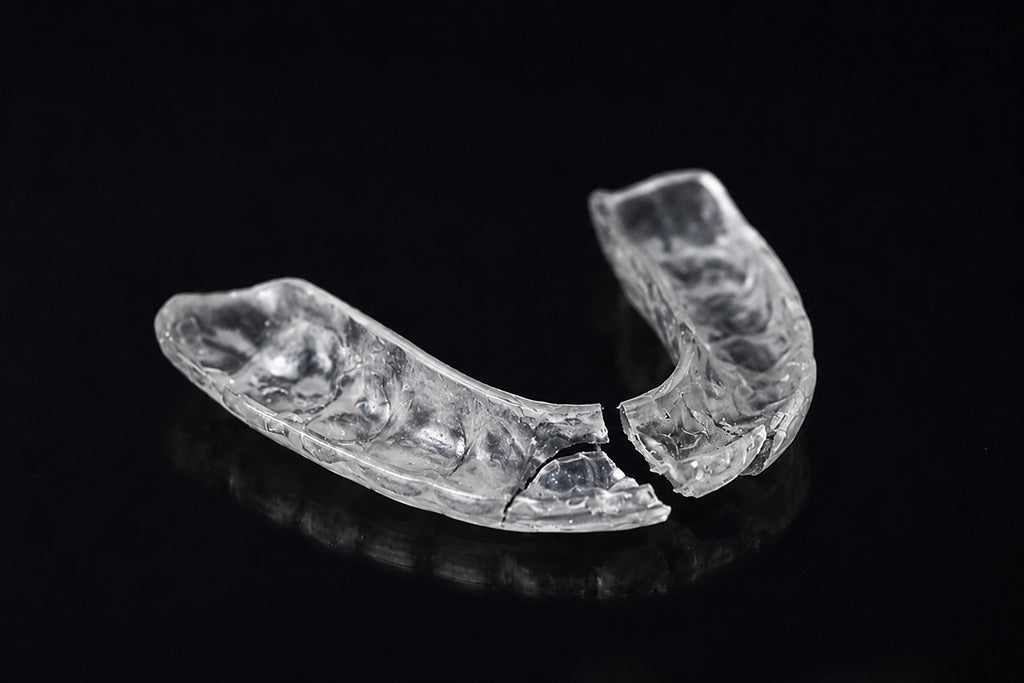
A traditional nightguard is an engineering solution to a behavioral problem. It places a barrier between your teeth so that when your jaw muscles fire involuntarily during sleep, the damage goes to the guard rather than your enamel. That's genuinely useful, but it changes nothing about the fact that your jaw muscles are firing in the first place. Nightguards protect your teeth, like a bandaid, but the clenching and grinding continue.

Broken mouthguard on black background

How biofeedback retrains the jaw

Biofeedback works on a different principle. When Zerene detects a clenching event, it delivers a gentle vibration cue — just enough for your brain to register that the jaw is contracting, without pulling you out of sleep. Every time this happens in your sleep it’s an opportunity for Zerene to interrupt the clenching/grinding activity, which can reduce the damage you cause to your teeth, gums, and jaw. It is also an opportunity for your subconscious to learn to reduce or eliminate the clenching/grinding activity altogether, as your body begins to anticipate the biofeedback and gets used to its new relaxed jaw habit. This is not a conscious process. You're not waking up and deciding to relax. The training happens subconsciously, during the same sleep state in which the grinding occurs. That's what makes it categorically different from any passive treatment.

You're not waking up and deciding to relax. The training happens subconsciously, during the same sleep state in which the grinding occurs. That's what makes it categorically different from any passive treatment.

How Zerene delivers the feedback

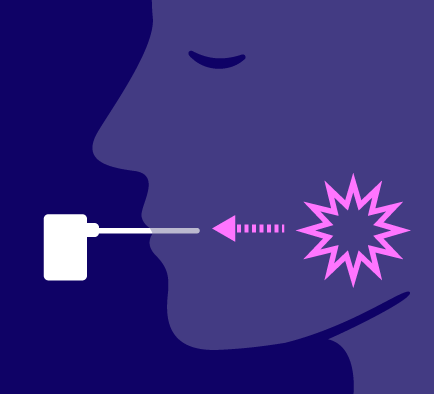
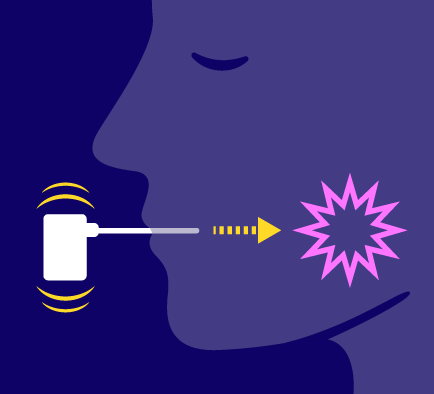
Illustration of Zerene device receiving data from grinding teeth with a purple background
1Detect

Sensors in the Moon Module measure pressure changes between your teeth through the pressure tube

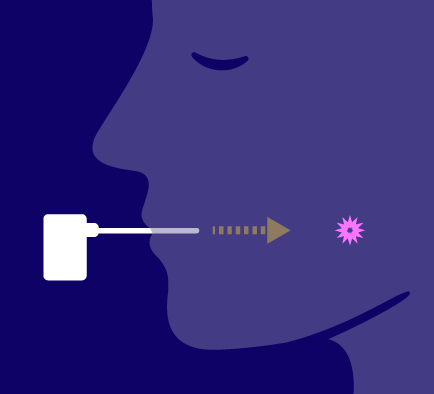
Illustration of Zerene device analyzing data from grinding teeth with a purple background
2Determine

When clenching is identified, the Moon Module analyzes the event and determines a response

Illustration of Zerene device delivering biofeedback to grinding teeth with a purple background
3Trigger

The Moon Module vibrates, sending a mechanical signal back through the pressure tube

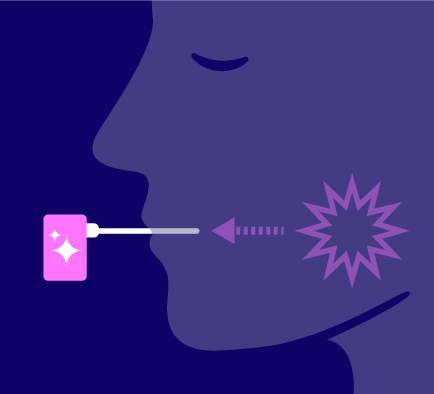
Illustration of Zerene delivering biofeedback with a purple background
4Response

The cue is felt in the mouthguard and changes your behavior without waking you

Zerene's Moon Module contains a number of tiny but powerful sensors that help measure your bruxism and accurately determine when the biofeedback intervention is needed. The pressure tube is like a telephone line between the soft mouthguard and the moon module because it enables two-way communication between the two. Through the pressure tube the moon module can measure changes in the pressure between your teeth.

When the device detects a clench the Moon Module vibrates, and that vibration travels back through the pressure tube into the mouthguard, delivering the cue exactly where it needs to be felt. The tube also allows the mouthguard to remain as slim and comfortable as possible, and keeps electronic and battery components safely outside of your mouth.

Zerene was designed with your safety and comfort in mind. No electronics inside the mouth. No electrical stimulation. Just a gentle mechanical signal that your sleeping brain learns to respond to.

What the research shows

Published studies on vibration-based biofeedback devices for sleep bruxism have reported meaningful reductions in grinding activity during active treatment, particularly in the duration of bruxism events. Across several clinical studies, participants using force-triggered vibrating oral appliances showed significant reductions in both the number and duration of sleep bruxism episodes. The evidence is still emerging and most studies are small, but the direction of effect is consistently favorable during active use. This aligns with how Zerene is designed: as an active training tool that reduces grinding during use, with ongoing maintenance available as needed.

Real-World Results

What Zerene Users Experience

90%Up to 90% reduction in grinding
2 weeksResults in as few as 2 weeks of nightly training
200K+ bites200,000+ bites interrupted across the Zerene user base
57K+ hours57,000+ hours of real-world use logged
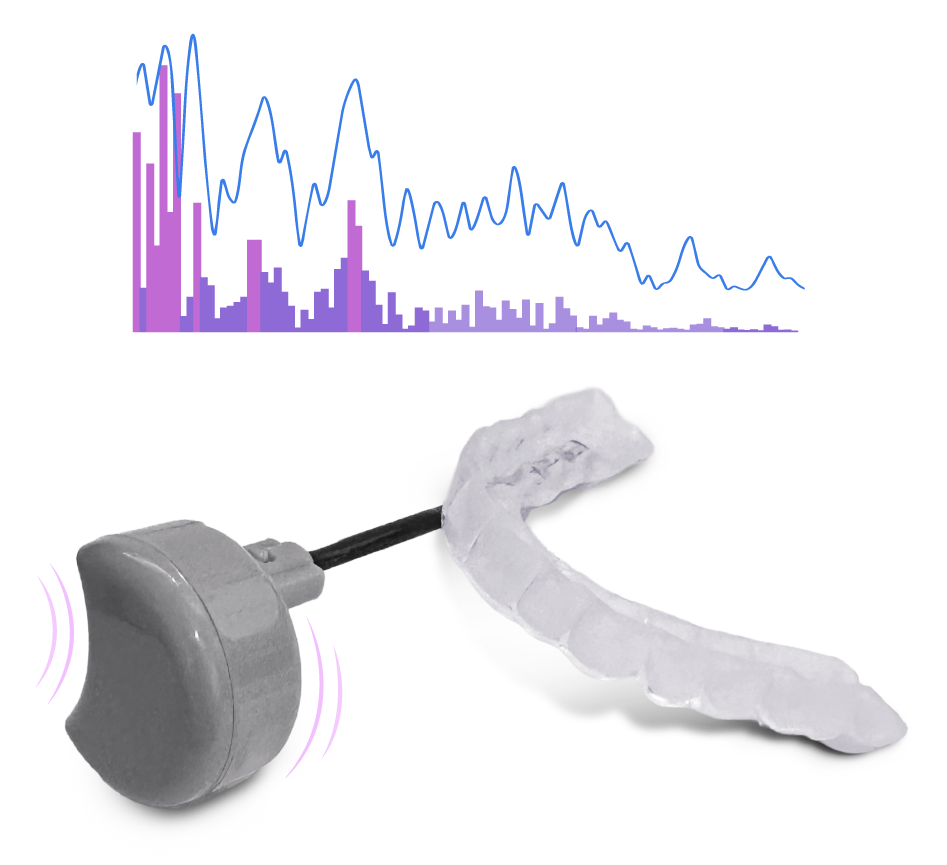
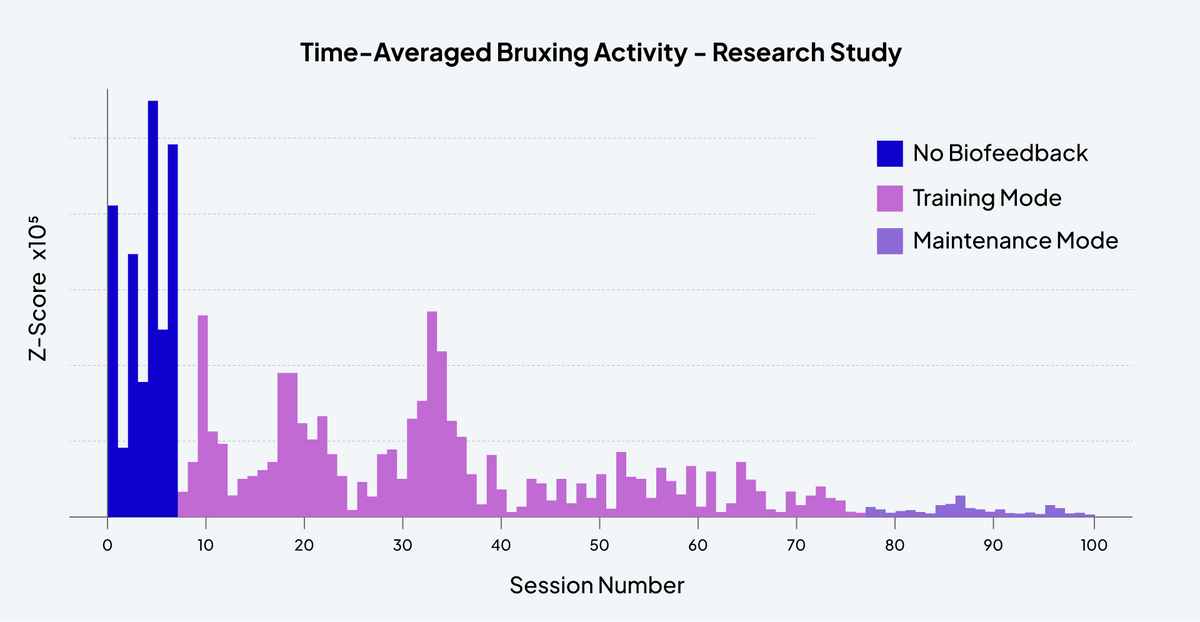
Time-Averaged Bruxing Activity Research StudyFigure tracks the time-averaged Z-Score™ of patient, demonstrating a >95% reduction from the passive Study Phase (blue) through the 10-week Training Phase (pink) that maintained out past 100 sessions.

Wondering how common these results are and what you can expect? Learn more in our FAQ →

The Full Picture

Zerene in the Context of Available Treatments

Every bruxism treatment addresses the problem differently. Understanding where each one fits, and where it falls short, helps explain why an active training approach like Zerene fills a gap that nothing else currently does.

Icon of a mouthguard
Nightguards
(Mouthguards)

The most common recommendation. Nightguards protect teeth from wear and damage and are often the right first step, particularly for patients with severe grinding. But they do not change the grinding behavior, and most patients need to wear them every night indefinitely. Zerene's system includes a custom lab-made mouthguard for the same protection, while also working to reduce the behavior itself.

Icon of botox injection
Botox
Injections

Botox weakens the masseter muscles, reducing clenching force and providing meaningful pain relief, especially in more severe cases. It is effective and well-researched, but effects last only 3–6 months and repeat injections are required. It also does not teach the jaw not to clench; the behavior typically resumes when the Botox wears off. For patients with severe bruxism, Botox and Zerene can be used together: Botox provides short-term symptom relief while Zerene works on the underlying habit.

Icon of medicine bottle
Muscle
Relaxants

May provide short-term relief but are not considered effective for long-term bruxism management. The Mayo Clinic notes that medications are generally not very effective for bruxism, and guidelines typically recommend only short-term use due to side effects and dependency concerns.

Icon of a hand touching the head of a person, symbolizing physical therapy
Physical
Therapy

Addresses muscle tension, jaw mechanics, and pain, and works well as part of a broader treatment plan. Does not directly stop nighttime grinding, but can meaningfully reduce the physical consequences of it and supports the overall healing process. Can be used with Zerene to monitor changes in Bruxism levels and provide supplementary biofeedback training support as needed.

Where It Started

A Biomedical Engineer Who Refused to Accept "Wear It Every Night for the Rest of Your Life"

Zerene founder Arash Sabet was diagnosed with sleep bruxism by his dentist, who told him his teeth had been ground down to the level of someone twenty years older. The recommended solution: a custom nightguard, worn every single night, indefinitely.

That answer didn't sit right with him.

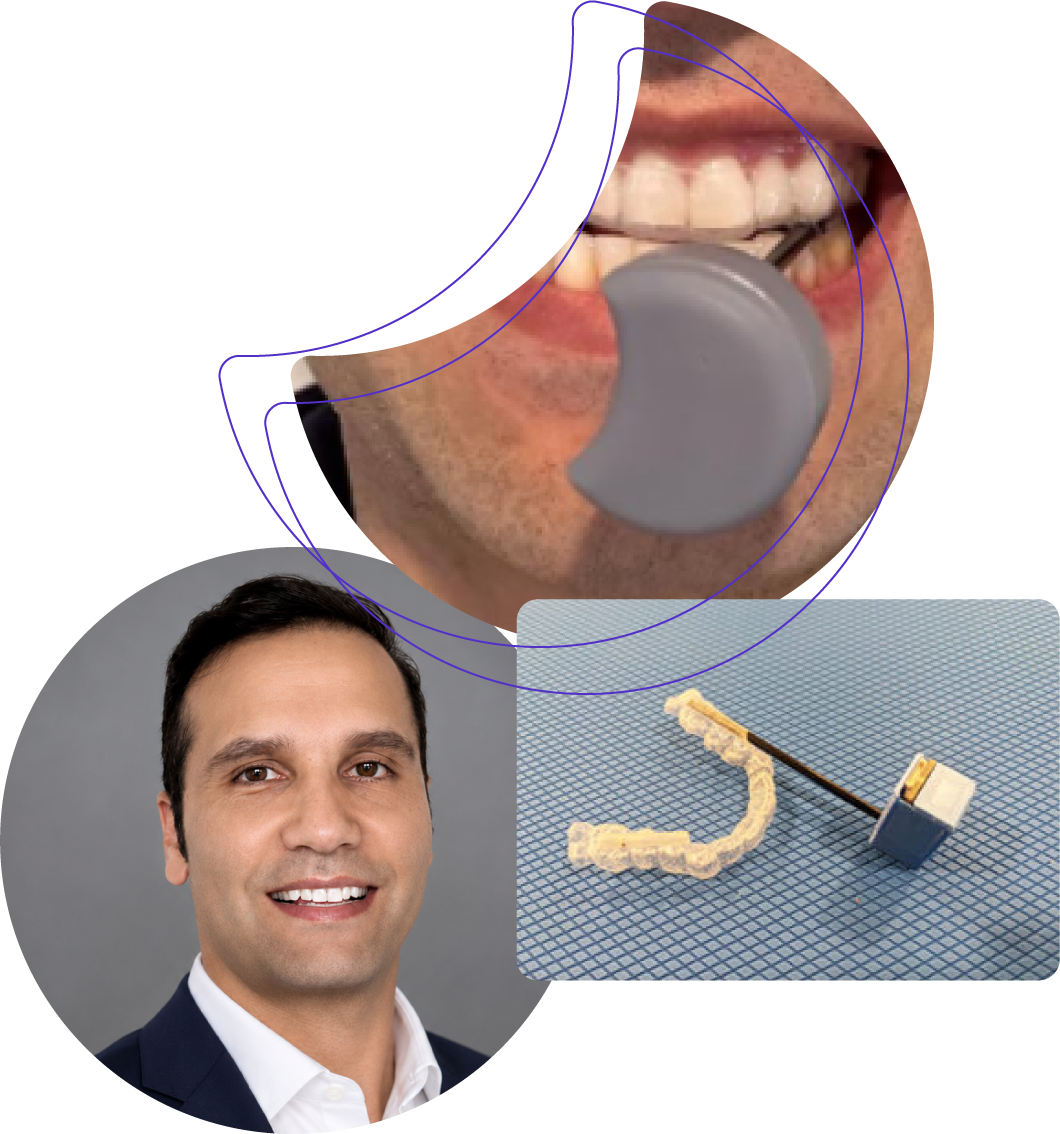
Collage of Zerene in-use, an early Zerene prototype, and a professional headshot of Zerene founder

With a background in biomedical engineering and medical device design, Arash knew there was a gap in how the problem was being addressed. Every available treatment either protected against the damage or temporarily suppressed the muscle activity, but none of them targeted the underlying behavior. Bruxism happens because jaw muscles fire involuntarily during sleep. If the brain could be trained to stop activating those muscles, the problem wouldn't need to be managed. It could actually be reduced. That hypothesis became the foundation of Zerene.

The first prototypes were bulky and impractical, but the early data was compelling — it suggested that training away from bruxism might actually be possible. After thousands of hours of iteration, testing, and refinement with real bruxism sufferers, the device became what it is today. And even today, after thousands of hours of more testing, Arash and the Zerene team continue to develop Zerene with the goal of helping remove bruxism as a problem from as many lives as possible. 

For Arash, the results were life-changing. The facial tightness he'd woken up with for years gave way to something he described as a lightness — jaw muscles that were genuinely relaxed in the morning and throughout the day rather than tense and exhausted. The data confirmed what he was feeling: fewer clenching and grinding episodes, shorter duration, measurable improvement tracked night by night.

Zerene exists because one person decided that "manage it forever" wasn't good enough. And because the science of biofeedback gave him a pathway to build something better.

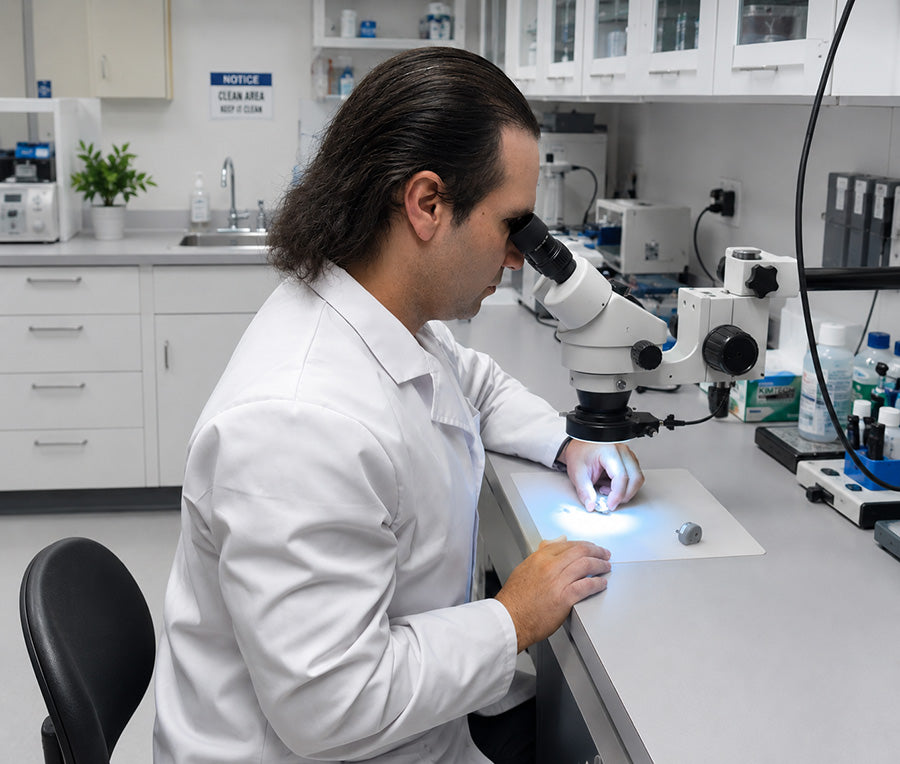
Biomedical engineer in a lab coat using a microscope in a laboratory setting
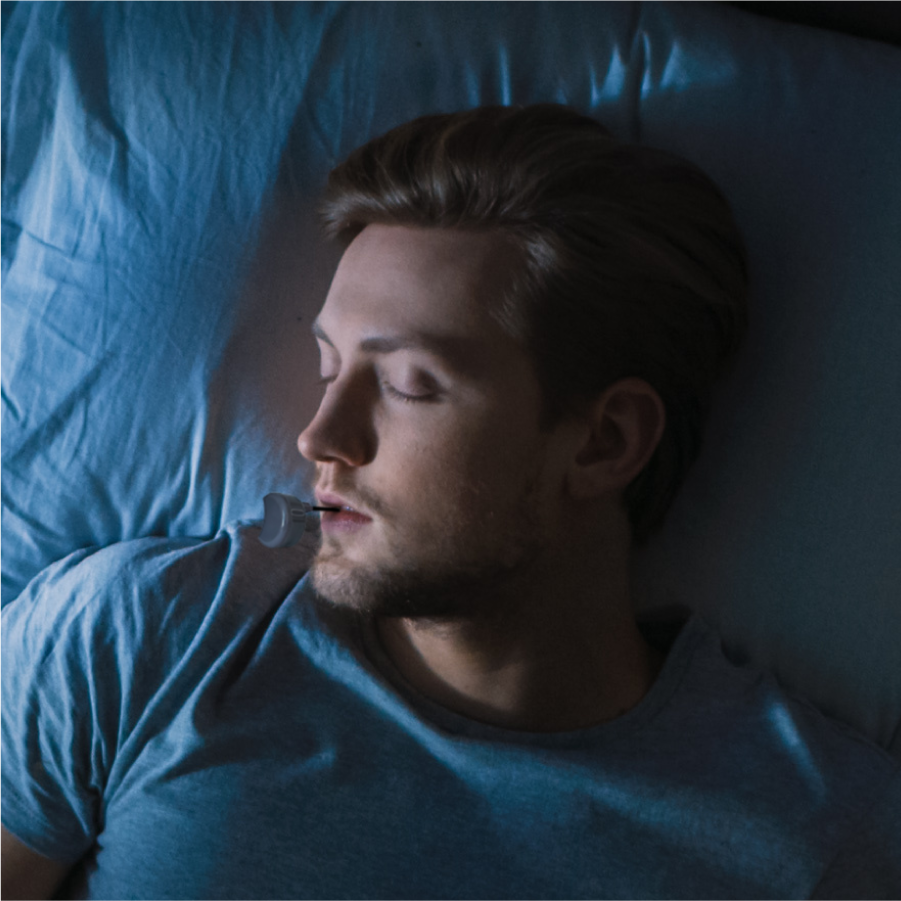
Man sleeping peacefully in bed wearing a Zerene smart mouthguard

Our Mission

Zerene's mission is to improve the lives of people with sleep bruxism through innovative, data-driven solutions, empowering users to understand what their body does while they sleep, and to do something about it.

What Dentists and Skeptics Ask

Zerene is not a medical device, and there has been no independent clinical trial conducted specifically on Zerene. What exists is a growing body of published research on vibration-based biofeedback oral appliances; devices that operate on the same principle Zerene uses. Those studies consistently show meaningful reductions in grinding activity during active use. Zerene's own user data shows up to 90% reduction in grinding across its user base. We present both the published literature and our own data transparently so you can assess the evidence yourself.

Several studies have observed that grinding activity can sometimes resume after vibration feedback stops, and we think it's important to be honest about this. Zerene's design accounts for it. The goal is not a single course of treatment that permanently eliminates bruxism — it is a training tool that reduces grinding during active use and can be returned to as needed. Maintenance Mode exists precisely for this reason: when stress or other triggers cause grinding to return, a few nights of re-training brings it back down. Think of it less like a medication you take until cured and more like a fitness practice you return to when your body needs it.

Not at all. Zerene is a relatively new product and the biofeedback approach to bruxism, while backed by research, is still gaining mainstream recognition in dental practice. We'd encourage you to share Dr. Aamodt's clinical review with your dentist — it covers the evidence base in plain clinical language and may be a useful starting point for a conversation. Many dentists have found Zerene to be a meaningful addition to what they can offer patients.

Yes. Zerene is drug-free, non-invasive, and built around a mechanism that has been studied in clinical settings for over two decades. However, it is not classified as a medical device. The mouthguard component is a custom-fitted lab-made dental appliance, the same basic category as what dentists have recommended for decades. The Moon Module rests outside the mouth entirely, with no electronics in contact with teeth or gums. The vibration cue is gentle by design — calibrated to be detectable during sleep without causing arousal or discomfort.

Everyone responds differently to Zerene. Factors like stress levels, how consistently you use the device as directed, and your personal response to biofeedback training all play a role in your results. Some people see improvement right away, while others work with our coaches over time to dial in settings that work for them — and for some, vibration biofeedback may have limited effect. Whatever your experience, the data collected by Zerene's moon module helps us continue improving outcomes for all users.

The Evidence

What the Published Research Shows

The clinical literature on vibration-based biofeedback for sleep bruxism is growing. The studies below represent the most relevant published evidence. We present them here with plain-English summaries so you can evaluate the science directly.

1. Nakazato et al., 2021
Journal of Oral Rehabilitation

Fourteen adults with confirmed sleep bruxism used a force-triggered vibrating oral appliance after a 16-night adaptation period. Sessions with vibration showed significantly fewer grinding episodes per hour (5.2 to 3.9) and less total grinding duration (35.3 to 15.1 seconds per hour) than sessions without. This is one of the most directly relevant studies because it specifically isolated the effect of vibration feedback from the general effect of simply wearing a splint.

View on PubMed →

2. Ohara et al., 2022
Sleep and Breathing

Ten adults with confirmed sleep bruxism wore a vibration appliance for 45 nights, including a two-week adaptation period, four weeks of active vibration feedback, and two post-stimulation nights. Both the number and duration of grinding episodes fell significantly when vibration feedback began, then rose again after it stopped. Supports active use as a meaningful intervention.

View on PubMed →

3. Maejima et al., 2024
Journal of Dental Sciences

The longest published vibration-based study to date. Twenty adults wore a force-triggered vibrating appliance for 98 nights. Significant reductions in grinding event duration were recorded during the 9-week stimulation phase, supporting the idea that the effect can persist over extended active use. Rebound was observed after stimulation stopped, suggesting benefit depends on continued engagement, which aligns with Zerene's Maintenance Mode design.

View on PubMed →

4. Jokubauskas & Baltrušaitytė, 2018
Journal of Oral Rehabilitation

A systematic review and meta-analysis of biofeedback therapies for sleep bruxism, drawing from 2,320 identified citations and six qualifying studies. The authors concluded that biofeedback, particularly contingent electrical stimulation, appears effective in reducing sleep-bruxism-related muscle activity after short-term treatment. Provides broader context for the biofeedback approach.

View on PubMed →

5. Bergmann et al., 2020
Clinical Oral Investigations

The strongest parallel randomized controlled trial in the broader biofeedback field. 41 patients were randomized to a biofeedback splint or a standard adjusted occlusal splint over three months. The biofeedback group showed significant reductions in burst frequency and duration, along with better facial muscle pain outcomes and global well-being. Some duration benefits persisted after treatment ended.

View on PubMed →

A Note from Zerene

The clinical evidence for vibration-based biofeedback is promising and growing. Most studies to date are small and lack sham-controlled comparators, and the field still needs larger, longer, independently replicated trials. Current evidence supports the conclusion that vibration-based biofeedback can meaningfully reduce grinding activity during active use, not that it permanently eliminates bruxism in all users. Zerene is designed with this in mind: it is a training tool intended for ongoing, adaptive use, not a one-time cure.

Wake up as yourself again.

Zerene can help you stop grinding.

100% money-back guarantee · HSA/FSA reimbursement eligible · Ships to US